
A Penny Worth a Fortune
The Lincoln Wheat Penny, a common sight in American change from 1909 to 1958, has sparked excitement with reports that a rare 1943 Bronze variant sold for $410,000 at auction in 2010, as noted by KMC NEWS. This coin, one of the most coveted in U.S. numismatics, could still be circulating, hidden in coin jars or cash registers. With millions of Wheat Pennies still out there, collectors and casual enthusiasts are urged to check their change, fueled by buzz on X about its life-changing potential. While the $410,000 valuation is verified, claims of higher figures like $170 million lack credible evidence and should be approached with skepticism.
Historical Significance
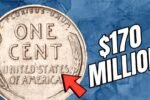
Introduced in 1909 to honor Abraham Lincoln’s centennial, the Lincoln Wheat Penny, designed by Victor David Brenner, was the first U.S. coin to feature a president’s portrait. Its reverse, showcasing two wheat stalks, symbolized prosperity until replaced by the Lincoln Memorial design in 1959. During World War II, copper shortages led the U.S. Mint to produce 1943 pennies from zinc-coated steel, but a few bronze planchets were mistakenly used, creating the ultra-rare 1943 Bronze Penny. Only about 15–20 are known, making them a collector’s dream, with a Denver-minted example fetching $410,000 due to its rarity and historical context.
Identifying the Rare Coin
To spot a valuable 1943 Bronze Lincoln Wheat Penny, look for these characteristics:
- Material: Bronze (copper-colored, non-magnetic, weighs 3.11g), not steel (silver-gray, magnetic, ~2.7g). Test with a magnet—bronze won’t stick.
- Date: Must be 1943, with mint marks “D” (Denver), “S” (San Francisco), or none (Philadelphia).
- Condition: Uncirculated or mint-state coins (MS-60+) command higher values.
Other notable Wheat Pennies include:
- 1909-S VDB: Low mintage (484,000), worth $1,000–$100,000.
- 1955 Doubled-Die: Doubling on “LIBERTY” and date, valued at $20,000–$100,000.
- 1914-D: 1.2 million minted, worth $75,000–$150,000 in top grades.
Use a magnifying glass to check for mint marks and errors, and authenticate finds with PCGS or NGC to avoid counterfeits.
Market Value and Caution
The $410,000 sale of a 1943 Bronze Penny reflects its extreme rarity, with only one known Denver example and a few from other mints. Other sales include a 1943-S Bronze at $282,000 (2016) and a 1944-S Steel at $408,000 (2021), per CoinValueChecker.com. However, exaggerated claims of $20M–$999M, as seen on sites like foodprocessingbihar.com, lack substantiation and often stem from speculative narratives. Counterfeits, like altered 1948 pennies, are common, so professional grading is essential. The coin’s value hinges on condition, authenticity, and market demand, not unverified hype.
Key Lincoln Wheat Pennies
| Key Variants | Estimated Value | Rarity |
|---|---|---|
| 1943 Bronze | $100K–$410K | Extremely Rare |
| 1909-S VDB | $1K–$100K | Rare |
| 1955 Doubled-Die | $20K–$100K | Moderately Rare |
| 1914-D | $75K–$150K | Rare |
Join the Hunt
The possibility that a 1943 Bronze Penny, valued at $410,000, remains in circulation adds thrill to everyday transactions. Check old collections, coin rolls, or loose change for copper-colored 1943 pennies, using a magnet to confirm non-magnetic bronze. Resources like Reddit’s r/coins and PCGS CoinFacts offer guidance, while local coin shows connect you with experts. Never clean coins, as it reduces value; store them in protective holders. With numismatic interest peaking in 2025, as noted on X, your next penny could be a historic find just don’t fall for inflated myths.